Corporate Sponsorships & Partnerships: Advice on Engaging Corporate Partners

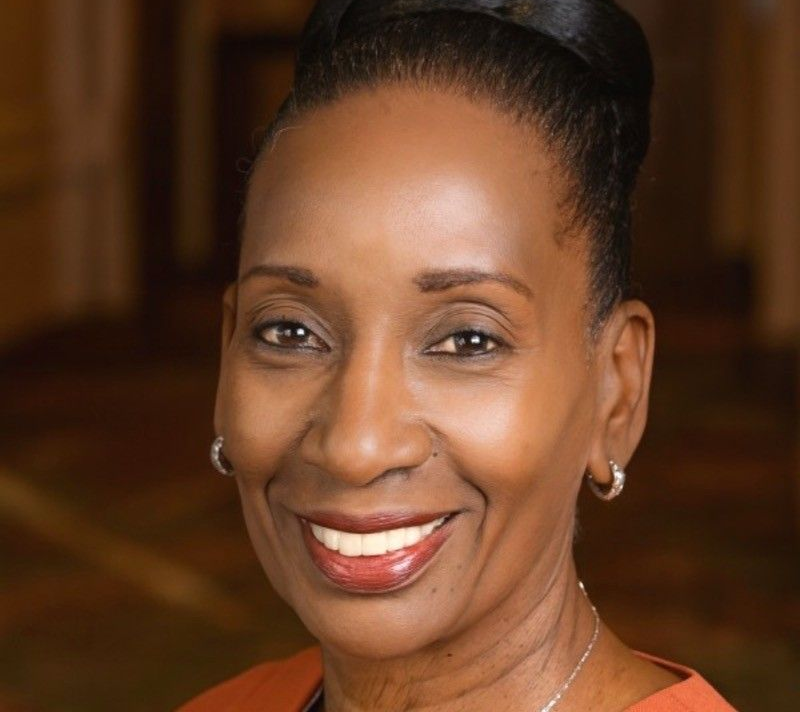
Kim Anthony • October 4, 2022

Companies gave nearly $17 billion to charities during 2020 (Giving USA 2020), representing a critical revenue source and strategic partner for nonprofits. With 8 in 10 Americans expecting businesses to positively impact society (Cone/Porter Novelli, 2018), gone are the days of companies merely being satisfied with visibility and their name on an event T-shirt. Today, engaging corporate partners requires nonprofits to think differently about how they approach companies, identify opportunities, develop a corporate partnership strategy and measure impact.


To help nonprofits forge successful relationships with more companies, we asked two corporate social responsibility experts and funders for their advice. Here’s the guidance Michelle Hamilton, senior community investment manager at the Florida Blue Foundation, and  Chris Johnson, senior social responsibility specialist at The Mosaic Company, shared to help you and your nonprofit successfully engage corporate partners.


What are the most common mistakes you see nonprofits make when it comes to corporate partnerships?

Michelle: Many organizations apply for funding without understanding our company’s mission or areas of focus. Or, they submit large funding requests before a funder has learned about their work or established a relationship. Don’t be afraid to ask a potential partner for an initial meeting. That preliminary outreach can help your nonprofit understand what opportunities to pursue, provide time-saving information and begin building a longer-term relationship.

Chris: We also get many funding requests from individuals and organizations we don’t know. Commit to cultivating relationships and communicating with company contacts — not just when you’re asking for money. Don’t forget that companies consist of your neighbors who care about the issues impacting your community. Find that common ground and establish a relationship before making significant fundraising asks.


What are you looking for in a nonprofit partner?

Chris and Michelle: There are five things we consistently look for in our nonprofit partners:

  1. Alignment with our company’s purpose and priorities — We seek partners who strategically connect the dots between our shared work and objectives. Take the time to be intentional in identifying where both the company and your nonprofit align.

  2. Collaboration — We prioritize nonprofits that work across the community with others and avoid duplicating efforts to ensure dollars stretch as far as possible.

  3. Regular communication — We love when nonprofits keep us informed about what’s happening within their organizations. The best relationships are with those who check in, not just when they need something, but who treat us as a strategic partner invested in their work.

  4. Proximity to where our employees live and work and the societal issues in those communities

  5. Being data-driven — We expect nonprofits to use data and insights when presenting funding needs and proposing solutions to address them through a partnership.

What do you expect from nonprofits when it comes to impact and your return on investment?

Michelle: When it comes to measurement, we look at two sides of the coin. Event activation is beneficial for educational opportunities, lead generation and brand visibility, while programmatic funding allows us to improve lives through issues like food security, mental well-being and health equity. Impact goals and reporting vary from partner to partner because every objective and program is different. There must be a dedicated collaboration between the nonprofit and corporate partner to determine how to measure success and define what is realistic for the nonprofit to capture.


Chris: We seek both internal and external impact with our partners.

Internally, we care about building the capacity of our nonprofit partners, enhancing their sustainability and improving their ability to achieve their stated objectives. We don’t want our partners to create something to receive funding; we want to enhance what nonprofits are already doing well while identifying ways to improve or innovate it.

Externally, we want to solve community problems and address systemic and institutional issues that are impacting communities. This requires a robust approach. It’s much simpler for corporations and foundations to put their name on something or give money through an event sponsorship. On the flip side, it’s easier for nonprofits to host an event and raise money. It’s more challenging to address systemic and institutional issues because they entail data evaluation, cross-sector collaboration and a deeper investment of time and resources. We want to take a multi-faceted approach so we can fund emerging needs while also addressing the systemic issues that affect our communities.

Finally, the United Nation’s Sustainable Development Goals (SDGs) are important at our company. There are five we focus on, and most of the nonprofit work we fund fits into or advances one of those areas. Understanding potential partners’ priorities is critical to achieving the greatest impact.


What practical advice would you give to nonprofit leaders who want to engage corporate partners more effectively?


Chris and Michelle:

  • Ensure you’ve done your homework on the company and understand what they do and if a partnership is a good fit.

  • Invest in yourself and your ability to cultivate and steward relationships. Professional development can help you build necessary or new skills to garner a meeting, create a winning proposal and deepen relationships.

  • Commit to building relationships outside of the fundraising process. Participate in your local chamber or other business groups. Genuinely get to know community leaders without an agenda.

  • Be transparent. As a funder, it’s essential to understand what’s working well along with the challenges. We have access to resources and expertise that can help you mitigate challenges when they arise. Don’t be afraid to share the bad with the good.

  • Engage your board of directors to assist you in opening doors, making introductions and asking for funding. It can take some of the pressure off your staff and create a shared leadership responsibility.

  • Follow current and potential funders or corporate partners on social media and engage in a dialogue with them. This allows you to stay apprised of both the big and small things happening within the company and open opportunities for your nonprofit to celebrate them.

  • Ask your corporate partners what you can do for them. Instead of only asking them for support, find out if there are ways you can support them in your daily activities such as sharing their good news or helping them connect to the community.

    This article originally appeared in
    Nonprofit Leadership Center
By Kim Anthony August 18, 2026
The third-generation, Black-owned business has turned a family recipe into a West Coast enterprise—while remaining rooted in the community that helped it grow. By Urban Business Journal Staff For 70 years, the ovens at 27th Street Bakery have produced more than sweet potato pies. They have helped sustain a family legacy, create neighborhood jobs and preserve an important piece of Black business history in South Los Angeles. Located at 2700 South Central Avenue, the third-generation, Black-owned bakery is celebrating seven decades in business—a milestone few small businesses ever reach. Best known for its homemade sweet potato and pecan pies, 27th Street Bakery has grown from a neighborhood favorite into what the company describes as the largest manufacturer of sweet potato pies on the West Coast. From Southern Roots to a Los Angeles Landmark The business began during the 1930s when Harry and Sadie Patterson opened a restaurant along Central Avenue, then the cultural and commercial heart of Black Los Angeles. The Pattersons brought Southern recipes and traditions with them, creating food that offered Los Angeles’ growing Black community a familiar taste of home. In 1956, the family converted the restaurant into a specialty bakery producing sweet potato pies, fruit pies, cakes and other desserts. That transformation established the business now known as 27th Street Bakery. The next generation assumed leadership in 1980, when the founders’ daughter, Alberta Cravin, and grandson, Gregory Spann, took over the operation. Today, the bakery is led by sisters Denise Cravin-Paschal and Olympic gold medalist Jeanette Bolden-Pickens, along with Bolden-Pickens’ husband, Al Pickens. Five additional family members are reportedly involved in the business, continuing a tradition of shared ownership and responsibility. More Than a Bakery The bakery’s longevity is especially significant because of where it stands. Central Avenue was once home to a thriving collection of Black-owned hotels, nightclubs, restaurants and professional offices. As Los Angeles changed and families dispersed into other neighborhoods, many of those businesses disappeared. 27th Street Bakery remained. Its presence represents both economic endurance and cultural preservation. Across several generations, the company has provided employment, stability and a trusted gathering place for neighborhood residents. The bakery has also learned how to grow without abandoning its roots. Customers can still walk into the Central Avenue storefront and purchase fresh pastries, but the company now accepts online orders, offers nationwide shipping through Goldbelly and provides local delivery through services including DoorDash, Uber Eats and Postmates. The company was also selected as an approved supplier for the Super Bowl LVI Business Connect program—an initiative that identified qualified, diverse Los Angeles-area companies to compete for contracting opportunities connected to the event. That combination of tradition, distribution and supplier readiness offers a valuable lesson for other community-based businesses: longevity often depends on preserving what customers love while continually developing new ways to reach them. Seventy Years—and Still Growing In recognition of the anniversary, 27th Street Bakery is offering slices of sweet potato pie for 70 cents on select Saturdays through October 31, according to reporting from LA Local. The promotion is more than an anniversary special. It is an invitation for Los Angeles residents to support a business that has supported its community for generations. At a time when many independent restaurants and neighborhood businesses are struggling with rising costs, changing consumer habits and increased competition, reaching the 70-year mark is an extraordinary achievement. It demonstrates the power of family succession, a trusted product, community loyalty and the willingness to adapt. The Business Lesson The story of 27th Street Bakery offers several practical lessons for entrepreneurs hoping to build companies that last: Build around a signature product. The bakery became widely recognized for one distinctive offering—its homemade sweet potato pie. Protect the brand’s story. Its history and family recipe are not simply sentimental details; they are competitive advantages that distinguish the company from mass-market producers. Prepare the next generation. Leadership has successfully transferred through three generations, allowing the company to preserve family ownership. Expand how customers can buy. Nationwide shipping, online ordering and delivery platforms have taken the bakery beyond the geographic limitations of its storefront. Pursue supplier opportunities. Certification and participation in procurement programs can expose established small businesses to larger contracts and new institutional customers. Remain connected to the community. The company’s enduring relationship with South Los Angeles has created a level of loyalty that advertising alone cannot purchase. For entrepreneurs throughout Los Angeles, the Inland Empire and beyond, 27th Street Bakery is proof that a neighborhood business can preserve its identity, expand its reach and build an enterprise capable of outliving its founders. Seventy years later, the family is still baking—and Los Angeles is still showing up for another slice. Support This Legacy Business 27th Street Bakery 2700 S. Central Avenue Los Angeles, CA 90011 Tuesday–Saturday, 8 a.m.–4 p.m. 323-233-3469 Order or learn more at 27thStreetBakery.com This story was inspired by the CBS Los Angeles report celebrating the bakery’s 70th anniversary . Additional historical information was verified through the 27th Street Bakery , the Los Angeles Conservancy and LA Local .
By Kim Anthony August 18, 2026
Inland Empire companies planning to hire, expand or invest may qualify for tax credits, financing assistance and no-cost guidance from the state. California business owners do not have to navigate growth, permitting, financing and state regulations alone. The Governor’s Office of Business and Economic Development, commonly known as GO-Biz, continues to provide no-cost assistance to companies seeking to start, remain or expand in California. Services include help identifying business incentives, selecting sites, navigating permits, resolving regulatory challenges, accessing international markets and working with state agencies. One of the most immediate opportunities is the California Competes Tax Credit, a competitive income tax credit for businesses that want to locate, remain or grow in the state. GO-Biz is accepting applications for the first 2026–27 funding period through August 10, 2026. Businesses of any size, industry or California location may compete for more than $180 million in available tax credits. Applications are evaluated using factors that include the number of full-time jobs created, the amount of investment proposed and the project’s importance to the state or regional economy. GO-Biz is also offering an application webinar on July 30 from 3 to 4 p.m. Pacific. A recorded webinar, application guide and frequently asked questions are available for businesses that cannot attend. Why This Matters for Inland Empire Businesses The program could be particularly relevant to Inland Empire companies preparing to open another location, increase hiring, purchase equipment, expand manufacturing or make other significant investments. The tax credit is competitive and not every applicant will receive an award. However, smaller businesses should not assume the program is reserved only for large corporations. Eligibility is open to businesses of all sizes, and the economic importance of a project to its region is among the factors considered. For business owners who are not ready to pursue the California Competes Tax Credit, GO-Biz provides access to several other forms of assistance. Its business incentives resources include information about research and development tax credits, funding for employee training, manufacturing-related sales and use tax exemptions, zero-emission vehicle infrastructure incentives and utility discounts for qualifying high-energy businesses. GO-Biz consultants also provide confidential, no-cost assistance to help companies identify relevant tax credits, grants and financing programs. Businesses struggling with licenses, certifications or regulatory requirements can also request assistance. GO-Biz helps companies understand local, state and federal registration processes and identify the permits they may need to start, maintain, relocate or expand their operations. California’s network of Small Business Support Centers provides another entry point. Through the California Office of the Small Business Advocate, entrepreneurs can access no-cost one-on-one consulting and no-cost or low-cost training on business planning, financing, marketing, e-commerce, resiliency and growth. The Orange County Inland Empire Small Business Development Center Network serves entrepreneurs in Riverside and San Bernardino counties. Companies interested in international markets may also explore the California State Trade Expansion Program. Its Export Voucher can reimburse eligible small businesses for up to 75% of pre-approved export promotion expenses, with reimbursement capped at $10,000 per federal fiscal year. Eligible activities may include trade shows, international marketing materials, export-related services and website globalization. What Business Owners Should Do Now Business owners considering the California Competes Tax Credit should begin by documenting their proposed investment, projected hiring, expansion timeline and expected economic impact. They should also: Review the eligibility requirements and application guide. Attend or watch the California Competes webinar. Gather financial, employment and project information before beginning the application. Contact GO-Biz for no-cost guidance. Speak with a local Small Business Development Center advisor for additional assistance. The larger opportunity is not limited to one tax credit. GO-Biz operates as a gateway to state programs that many entrepreneurs may not know exist. For Inland Empire businesses preparing to grow, the first step may be as simple as asking what assistance is available before making the next major investment.
By Kim Anthony August 18, 2026
This is a subtitle for your new post
Show More