Kim Anthony • September 22, 2026

San Bernardino County’s Reverse Vendor Show Opens a “World of Opportunities” for Local Businesses
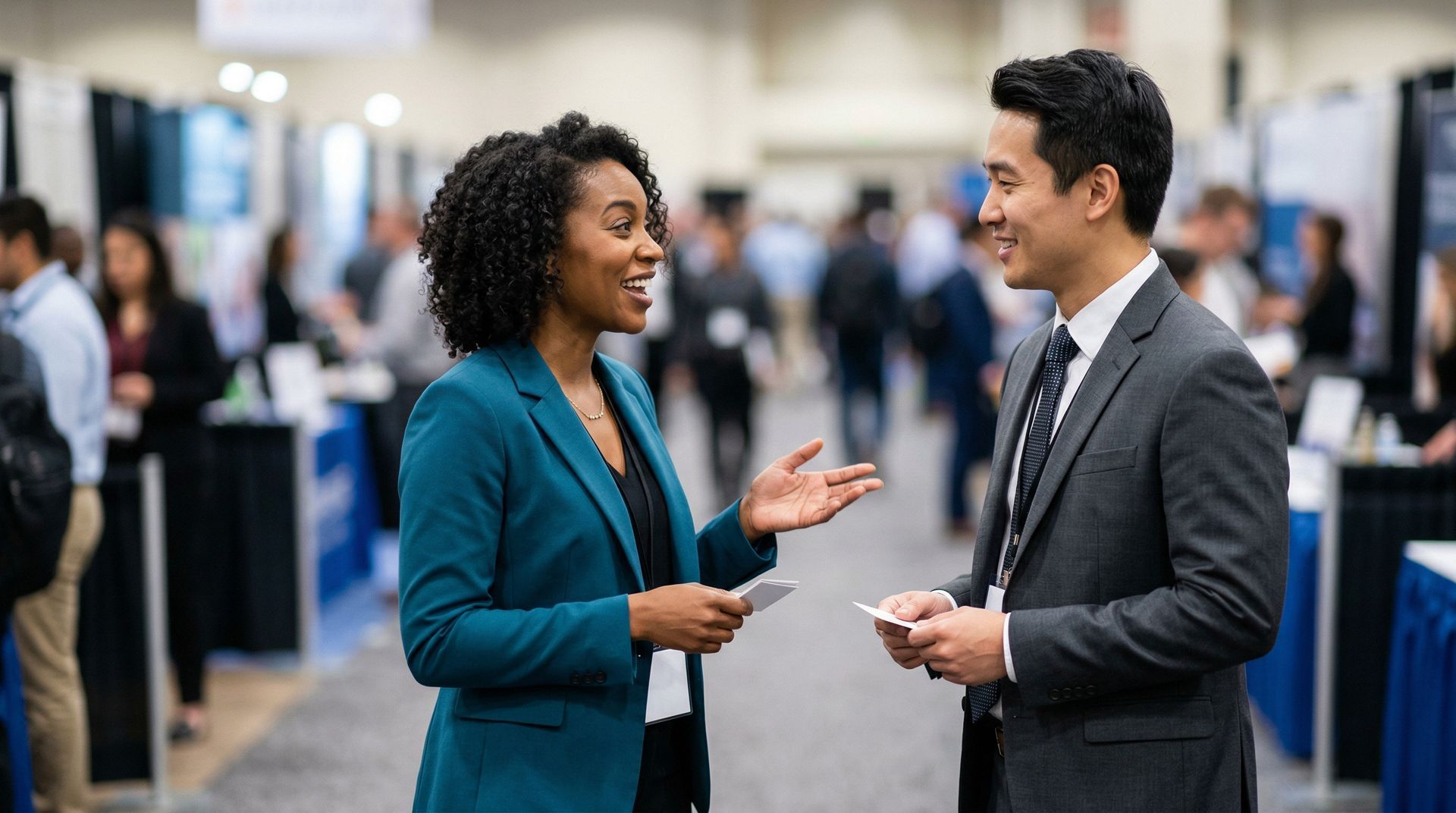
Local business owners interested in selling products or services to San Bernardino County will have an opportunity to meet directly with the departments that purchase them during the County’s upcoming World of Opportunities Reverse Vendor Show on September 10, 2026, in Yucaipa.

Local business owners interested in selling products or services to San Bernardino County will have an opportunity to meet directly with the departments that purchase them during the County’s upcoming World of Opportunities Reverse Vendor Show on September 10, 2026, in Yucaipa.


Unlike a traditional vendor fair—where businesses staff booths and wait for prospective customers—the Reverse Vendor Show turns the format around. County departments and purchasing representatives host the booths while vendors circulate, introduce their companies, learn what departments purchase and begin building relationships with potential government customers.


The event is designed to make County procurement more accessible by giving entrepreneurs an opportunity to speak face-to-face with departmental representatives, ask questions and better understand how their products and services may align with the County’s operational needs


Why This Matters


San Bernardino County purchases a vast range of goods and professional services to support its departments and serve nearly 2.2 million residents. Those purchasing needs can create valuable opportunities for local companies—including small, micro, minority-owned and emerging businesses that may not have previously considered government contracting.

A previous World of Opportunities event brought together more than 156 local vendors, 105 County employees and representatives from 35 County departments, demonstrating the breadth of opportunities available through the County’s procurement system.

The Reverse Vendor Show also gives business owners a chance to move beyond simply searching for open solicitations. Vendors can learn what departments need, identify appropriate buyers and begin developing the relationships and understanding that can better prepare them for future contracting opportunities.

How to Prepare


Business owners planning to participate should be prepared to clearly explain:

  • What their company provides
  • The industries and customers they currently serve
  • Their company’s capabilities and capacity
  • What makes their products or services distinctive
  • How their business could help a County department meet its needs


Vendors should also bring business cards, a concise capability statement and any applicable certifications or qualifications.


Companies interested in doing business with San Bernardino County must register through the County’s ePro electronic procurement system. Through ePro, vendors can register their businesses, select relevant commodity codes, review open bids and receive notices about potential opportunities.

The Purchasing Department’s online toolkit also allows businesses to search commodity codes, identify buyers by department and access tutorials and procurement resources.

About San Bernardino County Purchasing


The San Bernardino County Purchasing Department obtains goods and services for County departments, establishes and administers contracts, manages supplier relationships and oversees the County’s electronic procurement system. Its work is guided by customer service, partnership, innovation, ethical and fair conduct, professional standards and transparency.

In addition to securing the goods and services needed by County departments, Purchasing works to cultivate a business-friendly environment that supports vendor participation and local economic development.

Opportunity at a Glance


Event: World of Opportunities Reverse Vendor Show

Date: Thursday, September 10, 2026

Location: Yucaipa, California

Presented by: San Bernardino County Purchasing Department

Who Should Attend: Businesses and vendors interested in selling products or services to San Bernardino County

For event registration and updates, visit the San Bernardino County Purchasing Department.

For vendor-registration assistance, call (909) 387-3373. Businesses may also contact the Purchasing Department at epro.vendor@pur.sbcounty.gov or (909) 387-2060.

UBJ Opportunity Takeaway

Government procurement can feel complicated, but events like the World of Opportunities Reverse Vendor Show give business owners a more accessible place to begin. Register in ePro, prepare a strong capability statement, research the County departments most likely to purchase what you provide—and attend ready to listen, learn and build relationships.

Urban Business Journal practices Opportunity Journalism℠ connecting business builders with the information, resources, relationships and opportunities that can help them thrive.

By Kim Anthony • September 25, 2026
Beginning January 1, 2027, California sales and use tax will generally apply to prewritten software delivered electronically or accessed remotely, including many Software-as-a-Service subscriptions. CALIFORNIA — If your business sells software, provides access to an online platform or pays for software subscriptions, a tax change belongs on your 2027 planning list. Under Senate Bill 122 , signed into law June 29, 2026, California is expanding the sales and use tax definition of tangible personal property to include certain digital products and associated copyright or patent interests. That means retail sales of covered products in California—and covered products purchased from a retailer for storage, use or other consumption in California—may be taxable beginning January 1, 2027 . The change generally affects sellers of prewritten software, SaaS providers, businesses that license or provide remote access to prewritten software, and the customers who buy those products. What counts as a digital product? For this law, a digital product is prewritten computer software delivered on physical storage media, transferred electronically or accessed remotely. Prewritten software is software held for general or repeated sale or lease. It can qualify even if it was originally developed for a particular customer or for a company’s own use. A combination of two or more prewritten programs can also qualify. What is outside this definition? The law does not classify every digital purchase as a taxable digital product. The following are excluded from its digital product definition: Digital assets, such as cryptocurrency Digital audio works, such as music, spoken recordings and ringtones Digital audiovisual works, such as movies and videos with sound Digital books, or eBooks Digital infrastructure, such as cloud platforms customers use to create, deploy or run their own software applications Digital video game products Digital visual works, such as computer-generated artwork The law also provides exemptions for custom computer software , digital products representing a service other than SaaS, digital products transferred with reproduction and distribution rights, and digital products purchased solely for use outside California. Businesses should review the details of a transaction before treating it as excluded or exempt. A $5 million rule for certain large purchases In some transactions, responsibility for paying the tax can shift from the retailer to the purchaser. The rule concerns a retailer’s aggregate gross receipts from digital products sold to the same purchaser that are transferred electronically or accessed remotely. For 2027 , the threshold is more than $5 million in that calendar year . Beginning January 1, 2028 , the test looks at whether those receipts exceeded $5 million in the current or preceding calendar year. When the rule applies, the purchaser may need a Use Tax Direct Payment Permit and may have to report and pay the tax directly to the California Department of Tax and Fee Administration (CDTFA). Location matters for local taxes For digital products transferred electronically or accessed remotely, the place of sale for local and district tax reporting is generally the customer’s address. The place of use is where the person accessing the product is located. That distinction matters when a company’s billing address and its software users are in different places. CDTFA explains the rules in its Tax Guide for Retailers and Purchasers of Digital Products . What sellers need to do California digital product sellers that are not already registered with CDTFA may need to obtain a seller’s permit , file sales and use tax returns, and report and pay tax on taxable retail sales. Out-of-state sellers that are engaged in business in California under Revenue and Taxation Code section 6203 may need a Certificate of Registration—Use Tax . They would collect and report use tax on covered sales to California consumers and pay it to CDTFA. Registration is available through CDTFA Online Services . The UBJ takeaway: Software sellers can use the months before January 2027 to review their products, customer locations, invoicing and registration needs. Buyers can review their software agreements and ask vendors how the new tax will appear on invoices. For the definitions, exemptions and reporting rules, start with CDTFA’s digital products tax guide
By Kim Anthony • September 24, 2026
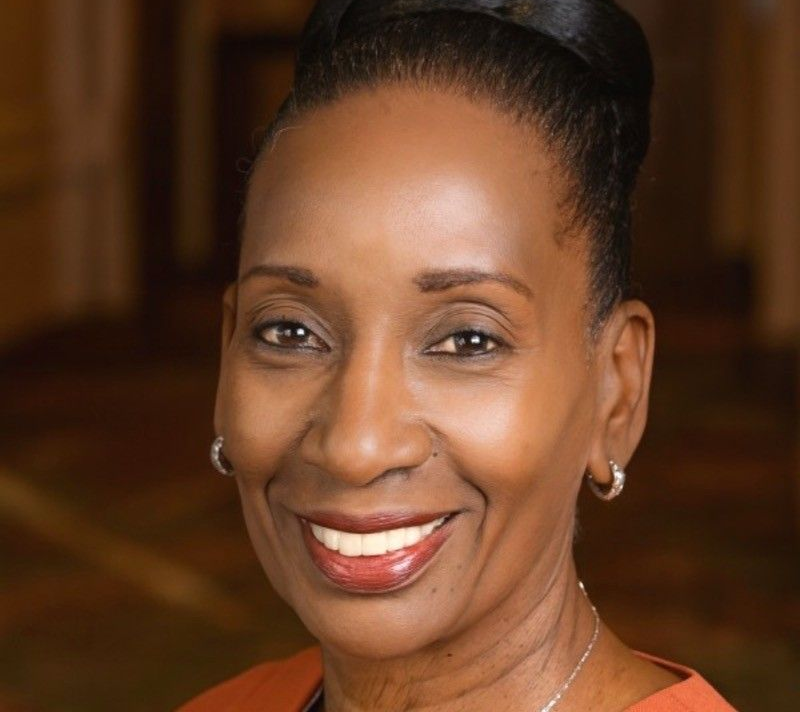
Beverly Kuykendall helps businesses navigate complex markets, build stronger partnerships and turn ambitious ideas into workable plans. Some business leaders see a procurement requirement and stop at the obstacle. Beverly Kuykendall asks what it would take to move forward. Over decades in federal acquisition and commercialization, Kuykendall has helped organizations work through the demands of government contracting while keeping their commercial goals in view. Her career has included executive roles as President of Government Business, Chief Strategy Officer and President. In each, she has worked at the point where strategy must become something a team can actually execute. Today, Kuykendall advises mission-driven organizations and manufacturers seeking new routes to growth. For companies pursuing domestic production, that may mean beginning with practical steps such as packaging, labeling, kitting, light assembly or fulfillment. These staged solutions can help a manufacturer establish domestic capacity and enter a market while building toward a larger goal. She also helps manufacturers develop reseller and distribution programs with clear standards for selecting partners, onboarding them and measuring performance. The aim is to grow revenue while protecting the relationships and reputation a business has worked hard to build. Kuykendall’s strength lies in making complicated systems understandable and actionable. She sees how procurement rules, supply chains and commercial partnerships fit together—and where an organization can make its next move with confidence. For entrepreneurs and business leaders trying to enter a demanding market, that perspective matters. A complex path can still be a path. Kuykendall’s work helps organizations find it, prepare for it and take the next step.
By Kim Anthony • September 24, 2026
Felecia Fisher-Shamu has built a women-owned furniture manufacturing business whose work reaches from Los Angeles hotels to destinations around the world. Before Felecia Fisher-Shamu’s work appeared in luxury hotels and major entertainment venues, she was building relationships with the people who knew those spaces best: hotel engineering and housekeeping teams in Santa Monica and Los Angeles. She listened, learned what the work demanded and built a business around delivering it well. Today, Fisher-Shamu is CEO and co-founder of Vitality Casegoods, Restorations, and Furniture Manufacturing, Inc. In a competitive industry where women business owners have had to establish their place, she has earned a reputation for custom furnishings, furniture design and restoration. She has done it with creative vision, perseverance and a team of skilled craftspeople. Vitality’s work has reached properties in the United States, Anguilla, Saudi Arabia and Canada. Fisher-Shamu has contributed to sustainable projects with Google and ARIA in Las Vegas, as well as furnishings for major hotels and entertainment spaces. Her team’s work has also supported events associated with the NAACP Image Awards, the Daytime Emmys and Oscar celebrations, including a VIP gala honoring Black Panther costume designer Ruth E. Carter. Her passion for restoration gives the business another dimension. Vitality helped restore antiques from Paris for Lumière at the refurbished Fairmont Century Plaza in Los Angeles. Earlier in her career, Fisher-Shamu restored antiques for the Four Seasons Hotel Beverly Hills. She values the artistry in preserving a piece’s character as much as the skill required to create something new. Even during the pandemic, when the hospitality industry faced extraordinary disruption, Vitality continued to win work. Projects included SoFi Stadium’s Owners Club, Loews St. Louis Live! hotel and Circa Resort & Casino in Las Vegas. Fisher-Shamu’s story celebrates what a woman-owned business can build through talent, trusted relationships and the determination to keep going. Her furnishings may be found in celebrated spaces, but the deeper achievement is the enterprise she and her team have crafted along the way.
Show More